 Golden hour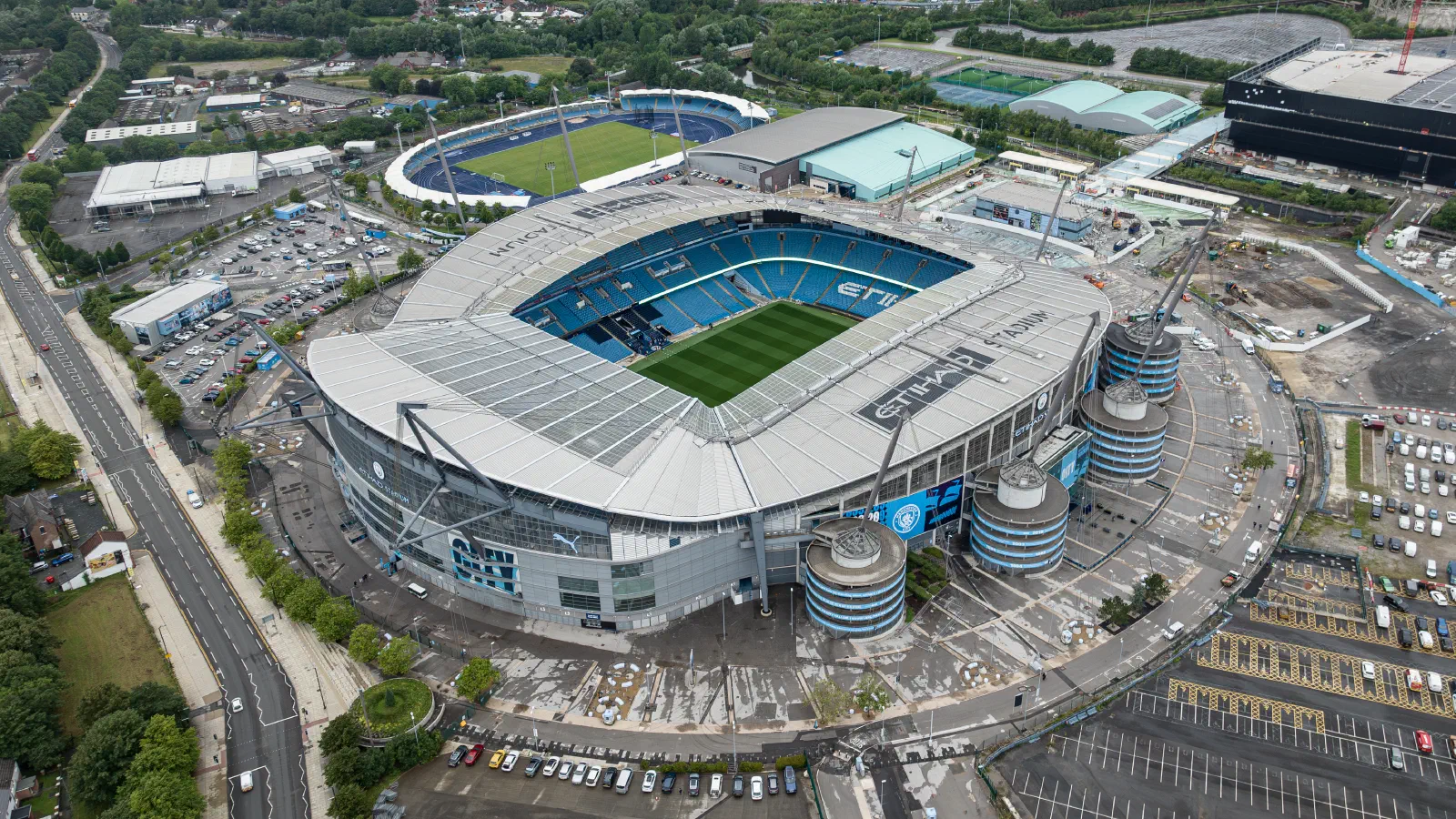
Best at golden hour
Etihad Stadium
East Manchester · ManchesterSome gear links on this page are affiliate links — if you buy through them we may earn a small commission at no extra cost to you. See our affiliate disclosure.
What is Etihad Stadium?
The Etihad Stadium, officially known as the City of Manchester Stadium, is the home of Manchester City Football Club. Located in East Manchester, it was originally built for the 2002 Commonwealth Games, after which it was converted from an athletics arena into a football stadium (en.wikipedia.org).
Designed by Arup Associates, the stadium features a distinctive bowl shape with a roof supported by an innovative cable-stay system, giving it a light, open appearance. It officially opened for football in August 2003, replacing Maine Road as Manchester City’s home ground. With a current capacity of over 53,000 seats, it is one of the largest stadiums in the Premier League and continues to expand as part of the Etihad Campus, which includes the City Football Academy (manchester.gov.uk).
The Etihad has hosted not only Premier League and Champions League football but also rugby matches, boxing events, and major concerts by artists such as Oasis, Ed Sheeran, and Taylor Swift. It is also known for its impressive LED lighting displays on match nights, which illuminate the stadium in Manchester City’s iconic sky blue.
Why Shoot Here?
Photographers and Instagrammers will find the Etihad Stadium an eye-catching subject:
- Modern architecture: The sweeping curves, tall masts, and cable-stay roof make striking geometric compositions.
- Night lighting: Match nights and special events see the stadium bathed in vivid blues and dynamic LED displays—ideal for long exposure shots.
- Urban sport setting: The surrounding Etihad Campus offers additional subjects, including training pitches, sculptures, and murals celebrating Manchester City’s history.
- Events and atmosphere: On match days, the energy and colour of thousands of fans add life and movement to shots.
Getting There
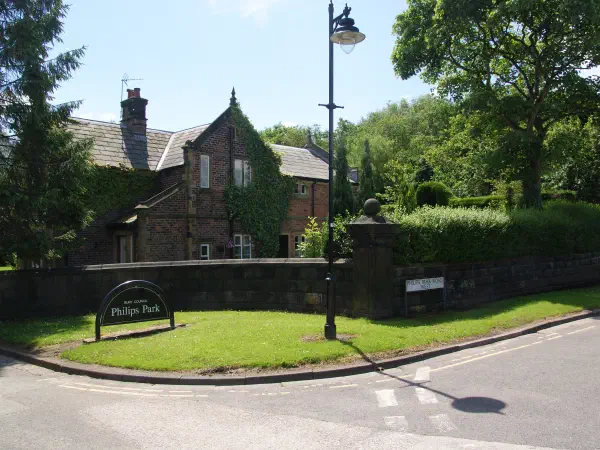
Etihad Campus Metrolink drops you five minutes from the ground, and on the Blue line it is a straightforward run from the city centre. Parking is on the Etihad Campus car parks, but availability and price vary considerably on event days — on a match day, take the tram. The stadium sits in east Manchester, and Philips Park is a ten-minute walk away if you want to pair architecture with a green space.
The exterior is freely accessible and is where almost all the photography happens; interior access is by stadium tour, which needs booking. The two visits are completely different propositions, and worth being clear about which one you are planning. On match days the surrounding campus fills and temporary barriers change the sightlines, so for clean architectural work come on a non-match day — and for atmosphere, come precisely when you would otherwise avoid.
Photography FAQ
Can you photograph the Etihad Stadium?
The exterior, freely — the approach, the masts, the cable-stay roof and the surrounding Etihad Campus are all openly accessible and there is no restriction on photographing them. Interior photography means booking a stadium tour. On match days, be aware that the club and the ground operate their own conditions of entry covering photography and equipment inside the stadium, which are separate from anything that applies outside on the campus.
What is the best time to shoot it?
Golden hour on a non-match day for the architecture: low sun rakes across the curved exterior and the cable-stay masts, throwing long shadows and warming the steel and concrete. Match night for everything else — arrive 60–90 minutes before kick-off and you get the LED system washing the exterior in sky blue against a deep twilight sky, with fans streaming in. Early mornings on a non-match day give you the campus deserted and clean sightlines with no barriers.
What lens do I need?
A 24–35mm for the head-on approach shot, where the masts and cable stays fan out symmetrically against the sky and the engineering does the composing for you. A wider lens if you want to work close under the roof structure. A moderate wide for the campus murals and statues with the stadium layered behind. On a match day, a 50–85mm for the fan-scale storytelling — scarves, faces, movement — with the ground behind.
How do you shoot the LED lighting at night?
On a tripod, with a long exposure. Ten to thirty seconds smooths foot traffic into nothing and lets the blue LED wash become a continuous luminous glow rather than a lit surface. After rain is better still: the wet concourses and car parks reflect the LEDs and double the colour at ground level. If you want people in the frame instead, drop to around 1/15s so the crowd blurs into a river of movement while the structure stays sharp.
What is the building actually notable for?
It was designed by Arup Associates and built for the 2002 Commonwealth Games as an athletics arena, then converted to football and opened for Manchester City in August 2003. The distinctive feature is the roof: a cable-stay system carried on external masts, which is what gives the bowl its light, open appearance and what makes the head-on symmetrical shot work. It now seats over 53,000 and continues to expand as part of the wider Etihad Campus.
Further Information
- Wikipedia – City of Manchester Stadium — history, design, and capacity
- Manchester City FC – Stadium Tours — information on guided access inside the ground
- Manchester City Official Website — fixtures, events, and stadium updates
Best Times to Shoot
- Golden hour — Low sun rakes across the stadium’s curved exterior and cable-stay masts, casting long shadows and warming the steel and concrete surfaces with rich, directional light.
- Match night (blue hour onwards) — The stadium’s LED system bathes the exterior in sky blue; arrive 60-90 minutes before kick-off to capture the illuminated structure against a deep twilight sky with fans streaming in.
- Early morning (non-match day) — The surrounding campus is deserted and the stadium sits in quiet isolation, ideal for clean architectural shots without crowds or barriers.
- Post-rain evenings — Wet concourses and car parks reflect the LED lighting, doubling the colour impact and adding a cinematic sheen to ground-level compositions.
Composition Ideas
- Mast and cable symmetry — Stand on the main approach and shoot head-on with a 24-35 mm lens to capture the tall masts and cable stays fanning out symmetrically against the sky, emphasising the engineering drama.
- Fan-scale storytelling — On match days, include supporters in sky-blue scarves walking toward the stadium to add human scale and narrative; a slower shutter speed (1/15s) blurs the crowd into a river of colour.
- Campus murals and sculptures — The Etihad Campus features large-scale murals and statues of club legends; pair these with the stadium in the background using a moderate wide angle for layered, story-rich images.
- Long-exposure LED glow — At night, use a tripod like the Peak Design Travel Tripod and a 10-30 second exposure to smooth out foot traffic and let the stadium’s blue LED wash become a luminous, ethereal glow that dominates the frame.
How to shoot it
Lens
A 16–35mm wide exaggerates scale and verticals; a 24–70mm keeps proportions natural. A tilt-shift tames converging lines.
Settings
f/8–f/11 for front-to-back sharpness, ISO 100, and meter for the highlights so detail in the stonework holds.
Composition
Hunt for symmetry and repetition, keep verticals straight, and use doorways or arches to frame the subject.
Timing
Aim for golden hour — the hour after sunrise or before sunset — when low, warm light rakes across the scene. Today's exact window is in the panel on this page.
More in East Manchester
See the area →Nearby spots
Shooting the whole area? Read the East Manchester photography guide — every spot, the light that suits it, and a route to link them.