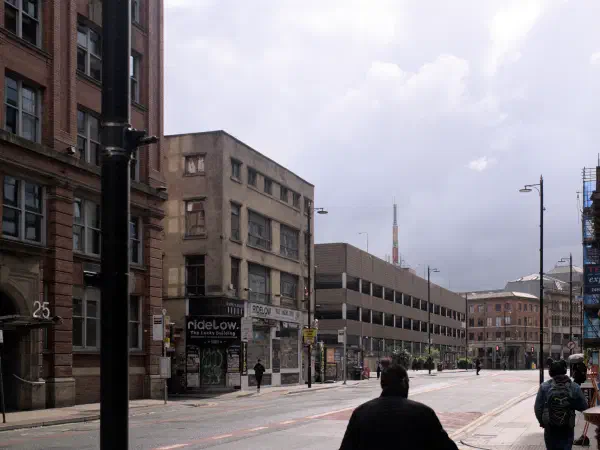
 Night
Night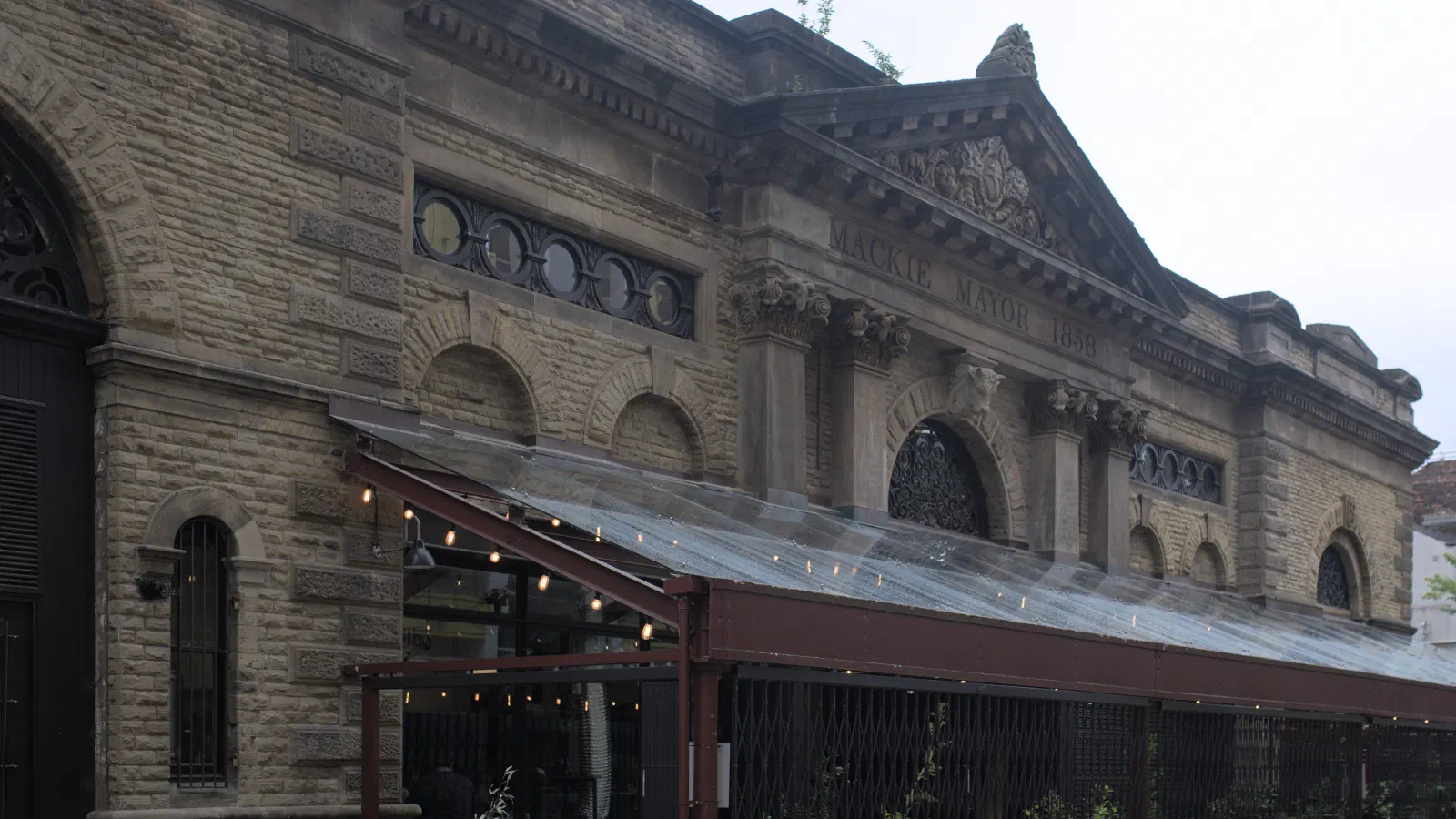
Best at any / overcast
Mackie Mayor
Northern Quarter · ManchesterSome gear links on this page are affiliate links — if you buy through them we may earn a small commission at no extra cost to you. See our affiliate disclosure.
What is Mackie Mayor?
Mackie Mayor is a beautifully restored Grade II listed former meat market located on the edge of the Northern Quarter. It is now a vibrant food hall featuring a communal seating area beneath a spectacular glass roof. The building’s original Victorian features have been preserved, creating a unique and atmospheric dining and social space.
Why Shoot Here?
- Interior Architecture: The grand scale of the hall, the glass roof, and the original brickwork make it a stunning subject for architectural photography.
- Natural Light: The glass roof floods the interior with natural light, making it ideal for food and lifestyle photography.
- Vibrant Atmosphere: Capture the energy and community feel of the food hall, with its diverse range of vendors and communal tables.
- Heritage Details: Look for original features like the ironwork and tile work that hint at the building’s industrial past.
Getting There
Shudehill Metrolink and the bus interchange are a five-minute walk, and Victoria is about the same. NCP Shudehill is the nearest car park at roughly £6–10 per day. Flat throughout, on the northern edge of the Northern Quarter.
Mackie Mayor is a food hall in a restored Victorian market building, not a public space, and that shapes everything about photographing it. It is free to walk into during opening hours, but it is a business with customers eating at communal tables. Mornings shortly after opening are quiet enough to work properly; lunchtime and evening service are shoulder to shoulder. Thomas Street and Tib Street are both a couple of minutes south.
Photography FAQ
Can you take photos inside Mackie Mayor?
For personal use, generally yes — it is a popular building and people photograph it constantly. It is private property, though, so it is at the operator’s discretion: be discreet, do not block the aisles between the communal tables, and ask traders before photographing their counters or staff. Anything organised, with lighting or a model, needs permission in advance.
When is the best time to photograph Mackie Mayor?
Shortly after opening on a weekday morning. The glass roof floods the hall with even natural light all day, so light is not the constraint — the crowd is. Early gives you the architecture, the ironwork and the empty communal tables; service time gives you the atmosphere but very little room to compose.
Is a tripod allowed?
Assume not. The hall is busy and the aisles are narrow, and a tripod in the middle of a working food hall will be asked to move. It is rarely necessary anyway: the roof glazing gives you enough light to shoot handheld at sensible ISO, and a fast standard prime is the right tool.
What should I photograph here?
Three things. The roof structure — original ironwork and glazing, best from the upper level looking along the span. The contrast of old and new — Victorian market architecture against modern counters and signage. And food and lifestyle work, which is what the even overhead daylight is genuinely exceptional for; this is one of the best natural-light food locations in the city.
What lens works best?
A 16–24mm for the roof and the full length of the hall from the gallery, and a 35–50mm for the counters, food and candid work. The building is large but the vantage points are limited, so the wide end earns its place more than it does in most interiors.
Best Times to Shoot
- Morning opening (from 09:00–10:30) — The hall is at its quietest and the glass roof delivers the most even, balanced natural light before midday. The vendors are setting up, produce displays are at their freshest, and the Victorian ironwork overhead reads cleanly against the sky through the glass panels without the backlight becoming overwhelming. This is the window for clean architectural and food stall shots.
- Overcast days — The glass roof functions as a giant softbox under cloud cover, flooding the entire interior with diffused light that eliminates shadows from the structural ironwork and individual vendor canopies. This is when the red-brick walls, the exposed timber above the stalls, and the colourful food displays are all simultaneously well-lit.
- Lunchtime (12:00–14:00) for lifestyle — The communal tables fill with the Northern Quarter’s mix of office workers, creatives, and visitors. The energy is excellent for candid photography: hands passing dishes, groups eating together, vendors plating food across the counter. Come on a Friday for the busiest scenes.
- Late afternoon and early evening — As daylight fades through the glass roof, the vendor unit lighting takes over and creates a warm, intimate atmosphere. The transition between daylight and artificial light produces a few minutes of balanced mixed illumination that is flattering for both food and environmental portrait shots.
Composition Ideas
- Upward to the Victorian ironwork — Stand at the centre of the hall and aim directly up with a 16–24 mm ultra-wide. The cast-iron roof trusses and glass panels create a geometric grid overhead that contrasts with the warm brick and timber walls. Time this for when there is some daylight in the glass for the most graphic result.
- Communal table leading lines — Shoot along the length of one of the long communal tables from one end, placing diners, dishes, and the vendor counter in the background. A 35–50 mm lens from table height creates a perspective that compresses the space while keeping both foreground crockery and mid-ground people in frame.
- Food editorial close-ups — Get within 30–50 cm of a plated dish or a freshly assembled bowl with a fast 50 mm lens like the fast prime opened up to f/2.0–f/2.8. Focus on a key element — the bright colour of a sauce, the texture of a topped flatbread — and let the rest of the stall and hall blur into recognisable but soft background. The glass-roof daylight is ideal for this: it produces no harsh shadows and retains natural food colour without the orange cast of indoor spotlighting.
- Heritage detail alongside modern activity — Move close to the brick walls or the original tiled sections of the building with an 85 mm lens and compose so that a vendor or customer is engaged in an activity in the same frame. The worn Victorian brick and the contemporary food operation occupy the same image, which is exactly the story Mackie Mayor tells.
How to shoot it
Lens
A 16–35mm wide captures the full space; bring a fast prime (f/1.8) for the dim corners without a tripod.
Settings
Tripod where allowed, f/8 and low ISO; otherwise a fast prime wide open. Bracket exposures to hold both windows and shadows.
Composition
Centre on symmetry, get low for soaring ceilings, and let leading lines pull the eye down the room.
Timing
Bright overcast suits it best — soft, even light with no harsh shadows — so it works at almost any time of day.
More in Northern Quarter
See the area →Nearby spots
Shooting the whole area? Read the Northern Quarter photography guide — every spot, the light that suits it, and a route to link them.