 Golden hour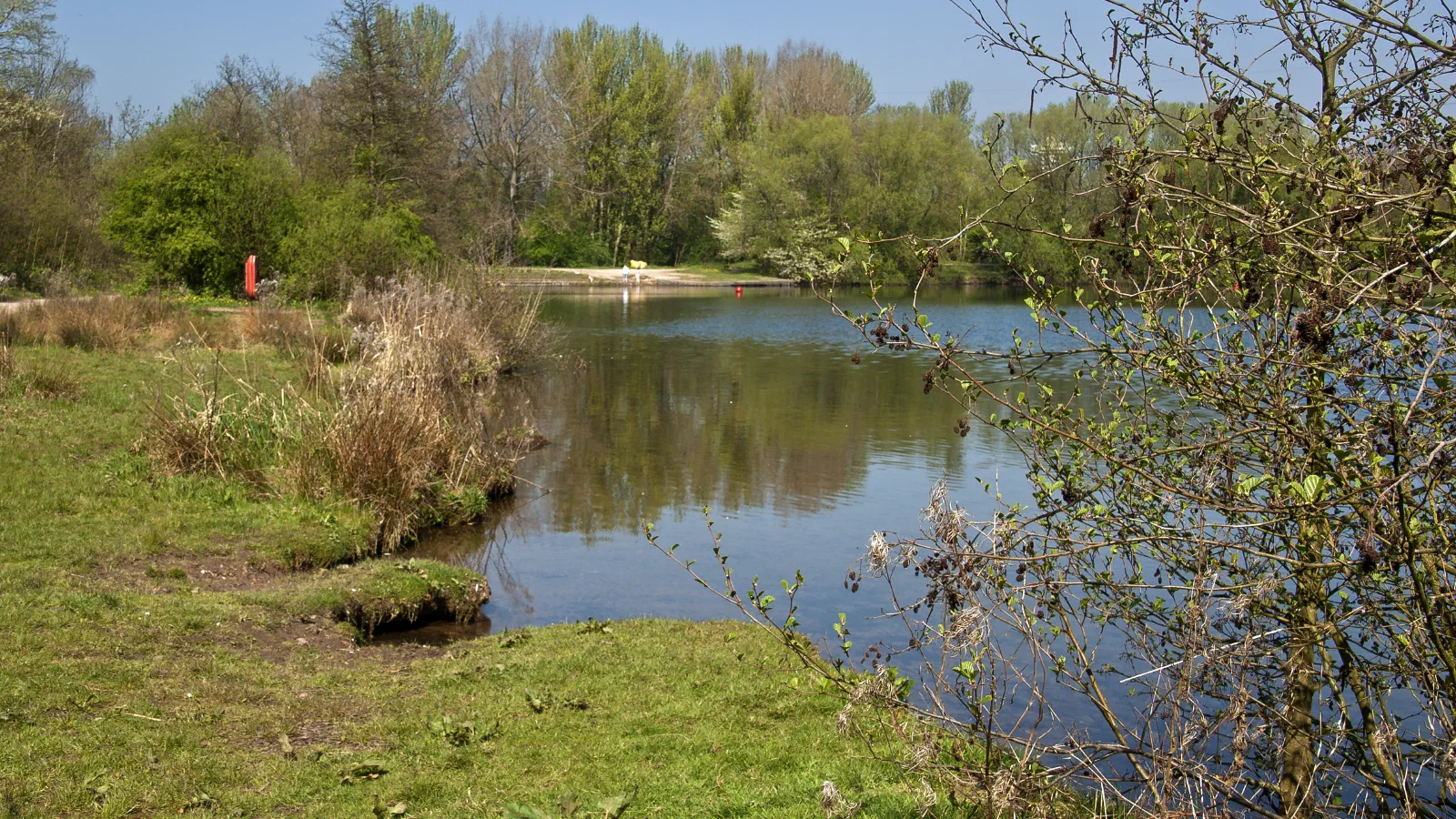
Best at golden hour
Sale Water Park
South Manchester · ManchesterSome gear links on this page are affiliate links — if you buy through them we may earn a small commission at no extra cost to you. See our affiliate disclosure.
What is Sale Water Park?
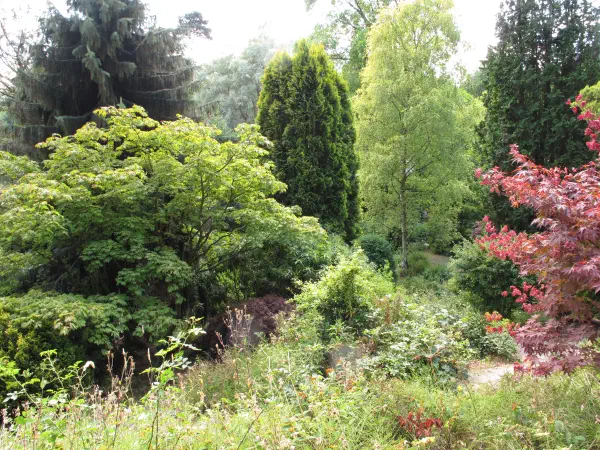
Sale Water Park is a large countryside park centered around a 52-acre artificial lake. Located in the Mersey Valley, it offers a peaceful escape from the city with woodland trails, wildflower meadows, and the River Mersey running alongside. It is a popular spot for water sports, birdwatching, and nature walks.
Why Shoot Here?
- Reflections: The large expanse of the lake is perfect for capturing reflections of the sky and surrounding trees, especially on calm days.
- Sunset Views: The open horizon over the water makes it one of the best spots in the city for capturing spectacular sunsets.
- Wildlife Photography: The park is home to a variety of birdlife, including swans, geese, and herons, as well as insects and other small animals.
- Seasonal Beauty: From the vibrant greens of spring to the golden hues of autumn, the park’s natural landscape offers year-round photographic opportunities.
Getting There
The Sale Water Park Metrolink stop is a five-minute walk from the best western viewpoints, which makes this an unusually easy landscape location to reach without a car. Drivers have a free car park at the Rifle Road entrance. The park is public with open access, though the car park gates keep their own hours — worth checking if you are planning to stay through sunset in summer, when the light goes late.
The lake covers 52 acres in the Mersey Valley, with woodland trails, wildflower meadows and the River Mersey running alongside, so allow more walking than a city spot. Paths around the water are level and surfaced but the bank edges are soft and uneven where the best low-angle frames are. It sits at the southern edge of south Manchester; Fletcher Moss is the nearest other green space worth a camera.
Photography FAQ
Can you take photos at Sale Water Park?
Yes. It is public parkland with open access and no restriction on personal photography or tripods. The park is also used for water sports, angling and dog walking, so the courtesy is spatial: do not set up in the middle of a path, and give anglers a wide berth rather than walking through their swim. If you are photographing birds, keep your distance from nesting areas rather than pushing for a closer frame.
Is Sale Water Park good for sunset?
It is one of the most reliable sunset locations in Greater Manchester, which is the main reason to come. The lake has an uninterrupted western horizon and enough open water to reflect the entire sky rather than a sliver of it — a vivid sunset fills the whole foreground. Stand on the western bank facing east across the water, arrive 30–40 minutes early, and shoot at 24–50mm with the reflection in the lower two-thirds and the real sky above the treeline.
When does mist form over the lake?
Calm autumn mornings, roughly late September to November, when the water is still warmer than the air. The mist sits low on the surface and stays undisturbed if there is no wind. Combine it with lakeside trees just beginning to turn and you get genuinely remote-looking landscape work fifteen minutes from a tram stop. Frosty winter mornings are the other seasonal window, when frost-tipped reeds shot at 100–200mm against dark still water make strong minimal compositions.
What wildlife can you photograph here?
Herons, cormorants, swans and grey geese are all regularly present, concentrating at the quieter northern end of the lake. Late afternoon is when activity picks up before roosting. A 200–400mm is what you want for frame-filling bird portraits; a 70–200mm with a teleconverter works from the bank edge and isolates birds against out-of-focus water. Get low — shooting from standing height gives you a bird on a background, shooting from water level gives you a bird in its element.
Is there anything to shoot besides the lake?
The River Mersey path running south from the park passes through mixed woodland with the river visible between the trees. A 35–70mm gives you the river as a horizontal band through vertical trunks — a layered, enclosed composition that reads completely differently from the open-lake work and turns a sunset visit into a half-day session.
Best Times to Shoot
- Sunset from the western shore — The 52-acre lake at Sale Water Park has an uninterrupted western horizon, making it one of the most reliable sunset locations in Greater Manchester. The open water reflects the entire sky, not just a sliver; arrive 30–40 minutes before sunset to set up and allow time for both the pre-sunset sky and the full colour display. The Sale Water Park tram stop is about 5 minutes’ walk from the best western viewpoints.
- Dawn in autumn (late September–November) — Mist develops over the lake on calm autumn mornings when the water is warmer than the air. The mist sits close to the surface, and with no wind it remains undisturbed through early morning. Combine this with the bare trunks of lakeside trees just beginning to colour and you have the conditions for atmospheric landscape work that reads as genuinely remote.
- Winter mornings after frost — The open park landscape and the reeds at the water’s edge accumulate frost on cold nights. Frost-tipped reeds and grasses photographed with a 100–200 mm lens against the dark, still water surface create strong nature-photography compositions that look nothing like a Greater Manchester urban park.
- Late afternoon in summer for wildlife — Herons, cormorants, grey geese, and swans are all regularly present at the lake edge, particularly at the calmer northern end. The late afternoon is when bird activity tends to increase before roosting; a 200–400 mm lens is recommended for frame-filling bird portraits.
Composition Ideas
- Western shore sunset reflection — Stand on the western bank and face east across the lake. Use a 24–50 mm lens to include both the reflected sky in the lower two-thirds of the frame and the real sky above the treeline in the upper third. The lake’s size means the reflection of a vivid sunset can fill the entire foreground, giving you a near-abstract image of colour and light.
- Reed foreground framing — The lake edges are lined with phragmite reeds that create strong vertical foreground elements when you shoot from low angle at the water’s edge. Use a 16–24 mm lens from 20–30 cm above water level with the reeds occupying the left or right third of the frame, leaving the open water and reflected sky in the remaining two-thirds.
- Wildlife telephoto from the north bank — The northern quieter end of the lake is where herons and other wading birds concentrate. A long telephoto like the 70–200 mm (paired with a teleconverter for the extra reach) works from the bank edge for frame-filling portraits that isolate birds against the out-of-focus water surface. Early morning and late afternoon are peak activity windows.
- River Mersey woodland composition — The River Mersey path running south from the park passes through mixed woodland with the river visible through the trees. A 35–70 mm lens captures the river as a horizontal element through vertical tree trunks — a layered composition that reads very differently from the open-lake shots and completes a half-day location session at Sale Water Park.
How to shoot it
Lens
A 16–35mm wide takes in reflections and foreground; switch to a 70–200mm to compress distant detail across the water.
Settings
Tripod, f/11, ISO 100 and a 1–8s exposure for glassy water and clean reflections; an ND filter extends it in daylight.
Composition
Shoot low to maximise the reflection, use the waterline as a leading line, and wait for still water to double the scene.
Timing
Aim for golden hour — the hour after sunrise or before sunset — when low, warm light rakes across the scene. Today's exact window is in the panel on this page.
More in South Manchester
See the area →